

benefits of using EMI/RFI shielding in Printed circuit assembly services
Electromagnetic interference (EMI) and radio-frequency interference (RFI) are common challenges faced in electronic devices, which can degrade performance and reliability if not properly managed. EMI/RFI shielding is a crucial aspect of printed circuit assembly services aimed at mitigating these interferences and ensuring the optimal functioning of electronic devices. Shielding involves the use of materials or coatings to block or attenuate electromagnetic radiation, preventing it from interfering with sensitive electronic components or circuits. There are several benefits to incorporating EMI/RFI shielding into printed circuit assemblies.
One of the primary benefits of printed circuit assembly services shielding is the prevention of signal degradation and interference. Electronic devices often contain sensitive components and circuits that can be susceptible to external electromagnetic fields or radio-frequency signals. Without proper shielding, these external sources of interference can disrupt signals, degrade performance, and even cause malfunctions or failures in the device. EMI/RFI shielding creates a barrier that blocks or absorbs unwanted electromagnetic radiation, preserving signal integrity and ensuring the reliable operation of the device.
Moreover, EMI/RFI shielding helps to improve the electromagnetic compatibility (EMC) of electronic devices, ensuring that they can operate effectively in the presence of other electronic equipment without causing or experiencing interference. In today’s interconnected world, where electronic devices are ubiquitous, EMC is essential for preventing interference between devices and maintaining the overall integrity of communication systems. By incorporating EMI/RFI shielding into printed circuit assemblies, manufacturers can minimize the risk of electromagnetic compatibility issues and ensure seamless operation in diverse operating environments.
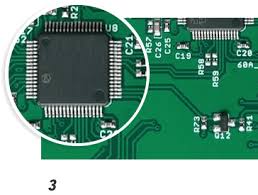
What are the benefits of using EMI/RFI shielding in Printed circuit assembly services?
Additionally, EMI/RFI shielding helps to enhance the security and confidentiality of electronic devices by preventing the unauthorized interception or eavesdropping of electromagnetic signals. In sensitive applications such as telecommunications, defense, and finance, protecting sensitive information from electromagnetic snooping is paramount. EMI/RFI shielding creates a secure enclosure that prevents electromagnetic signals from leaking out of the device or being intercepted by unauthorized parties, safeguarding sensitive data and ensuring the privacy of communications.
Furthermore, EMI/RFI shielding can help to improve the thermal management of electronic devices by providing an additional layer of insulation against external heat sources. Some EMI/RFI shielding materials, such as metal enclosures or conductive coatings, also have thermal conductivity properties that can help dissipate heat generated by internal components, thereby reducing the risk of overheating and prolonging the lifespan of the device. By incorporating EMI/RFI shielding into printed circuit assemblies, manufacturers can enhance both the electromagnetic and thermal performance of electronic devices, ensuring their reliability and longevity.
Moreover, EMI/RFI shielding can contribute to the overall durability and robustness of electronic devices by providing mechanical protection against physical damage, moisture, dust, and other environmental factors. Shielding enclosures or coatings can help to seal electronic assemblies from external contaminants and prevent ingress of moisture or debris, thereby reducing the risk of corrosion, short circuits, and other damage. This helps to extend the operational lifespan of electronic devices and minimize the need for maintenance or repairs, resulting in cost savings and improved reliability.
In conclusion, EMI/RFI shielding offers a range of benefits in printed circuit assembly services, including preventing signal degradation and interference, improving electromagnetic compatibility, enhancing security and confidentiality, optimizing thermal management, and enhancing durability and robustness. By incorporating EMI/RFI shielding into printed circuit assemblies, manufacturers can ensure the reliable operation, performance, and longevity of electronic devices, even in challenging operating environments. As electronic devices continue to evolve in complexity and functionality, the importance of EMI/RFI shielding in printed circuit assembly services will only continue to grow, making it an essential consideration for manufacturers seeking to deliver high-quality and reliable products.