

In 2024, Europe’s air transport sector soared to new heights, managing record-breaking passenger numbers while achieving remarkable improvements in air travel baggage handling.
According to the SITA Baggage IT Insights 2025 report, Europe slashed its baggage mishandling rate to 12.3 bags per 1,000 passengers—a 26% improvement since 2007 and a strong recovery from 15.7 in 2022.
This progress highlights the industry’s ability to handle surging travel demand with precision and efficiency.
Globally, the picture is equally encouraging. Despite an 8.2% rise in worldwide air traffic in 2024, the global mishandling rate dropped to 6.3 bags per 1,000 passengers, down from 6.9 the previous year and a striking 67% lower than in 2007.
The total number of mishandled bags also fell, from 33.8 million in 2023 to 33.4 million in 2024. These figures show that airlines and airports are getting better at managing luggage, even as travel volumes climb.
[magazine]
Rapid Recovery and Resolution
Of the 33.4 million mishandled bags in 2024 air travel, over 66%—roughly 22 million—were resolved within 48 hours, thanks to SITA’s WorldTracer® system.
Breaking it down, 25% of these bags were reunited with their owners within 12 hours, 38% within 24 hours, and another 38% within 48 hours. This swift resolution underscores the industry’s growing ability to tackle baggage issues quickly, minimizing passenger frustration.
However, mishandling still comes at a steep cost. In 2024, baggage mishandling cost the industry an estimated $5 billion, covering everything from courier services and customer support to claims processing and lost productivity.
[advert]
As passengers demand smoother, more transparent travel experiences, the pressure is on for airlines and airports to invest in advanced, data-driven baggage systems.
David Lavorel, CEO of SITA, sums it up: “In air transport, transformation is constant. Technology, passenger expectations, and global changes drive this evolution. Passengers now expect baggage handling to be as seamless as ordering a rideshare or tracking a delivery.”
“It’s about creating a connected, stress-free journey. Airlines are embracing technologies that enhance the passenger experience, reduce costs, and are easy to implement. With our partners, we’re redefining baggage handling to give travelers visibility and control from start to finish.”
Air Travel: Technology Takes Center Stage
The days of experimental baggage solutions are over—airports and airlines are now leveraging mature technologies to handle growing air travel luggage volumes with precision.
Real-time tracking, AI-powered analytics, and self-service tools are becoming industry standards, delivering measurable results. In 2024, 42% of passengers had access to real-time baggage updates, up from 38% in 2023.
Nearly half of travelers say mobile tracking boosts their confidence in checking bags, while 38% value digital ID tags.
Airlines are prioritizing visibility throughout the baggage journey. Currently, 66% of airlines offer automated bag drop, with another 16% planning to introduce it by 2027.
Airports are also stepping up, with 65% aiming to implement biometric self-service bag drop by the same year. These advancements reflect a broader shift toward smarter, more efficient systems that empower passengers and streamline operations.
[advert]

Partnerships and Innovations
One of 2024’s standout innovations was the integration of Apple’s Share Item Location feature with SITA WorldTracer®.
This allows passengers to share their Apple AirTag’s location with airlines, speeding up baggage recovery.
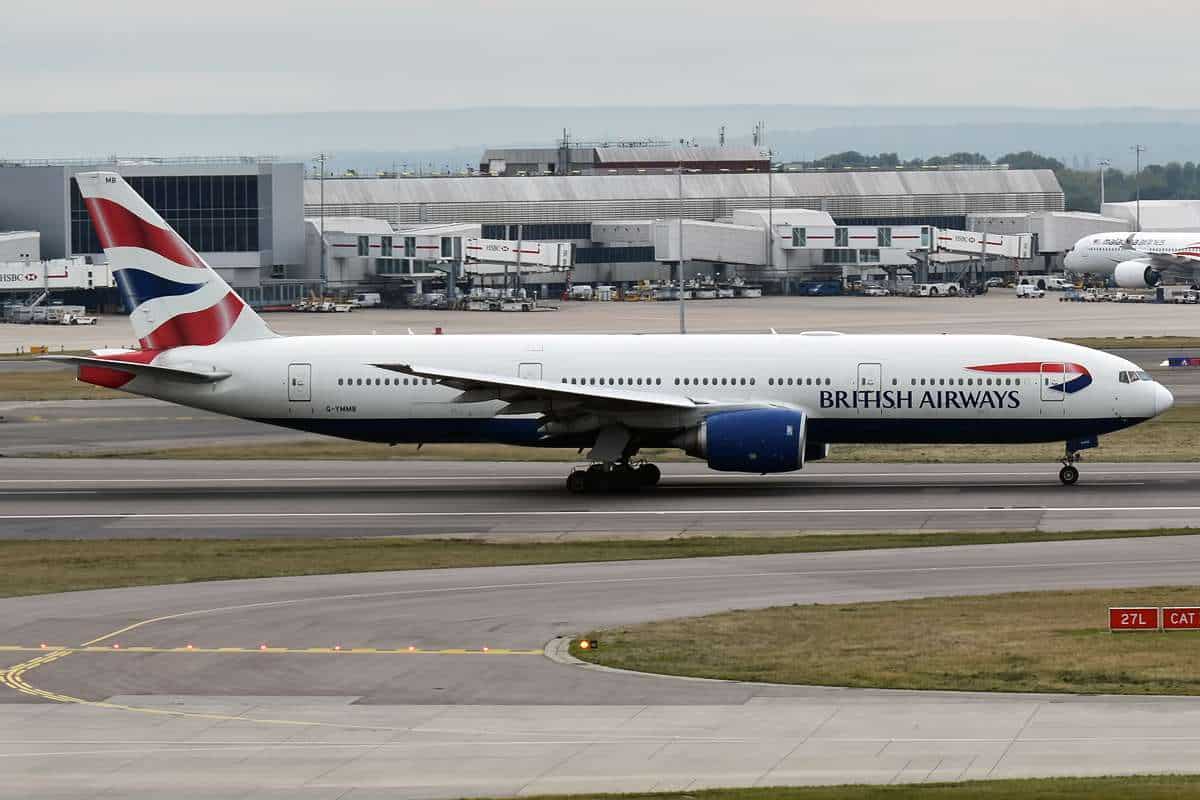
Major carriers like British Airways, Lufthansa, Qantas, Cathay Pacific, and Virgin Atlantic have adopted this technology, enhancing their ability to locate and return lost luggage.
This integration also powers WorldTracer’s Auto Reflight feature, which automatically reroutes bags using the original bag tag. It identifies mishandling causes, and initiates resolution without human intervention. Such innovations are transforming baggage handling into a proactive, passenger-focused process.
Where Bags Go Astray
Despite progress, challenges remain. Delayed bags accounted for 74% of mishandlings in 2024, down from 80% the previous year. Lost or stolen bags made up 8%, while damaged or pilfered bags rose to 18%, up from 15% in 2023.
Transfer mishandling was the leading cause at 41%, though this improved from 46% in 2023. Tagging errors, security issues, and similar factors rose slightly to 17%, while loading failures held steady at 16%. Operational issues, such as customs delays or weather disruptions, increased to 10% from 8%.
Nicole Hogg, SITA’s Director of Baggage, acknowledges the ongoing challenge. “We’re making strides, but baggage mishandling still causes stress for travelers. Passengers want reassurance. With automation, computer vision, and mobile tools, we’re building a more reliable experience.”
[advert]

Looking Ahead
Looking ahead, the industry is poised for further gains. In 2025, the Modern Baggage Messaging (MBM) standard was approved, with Version 2 expected to cut mishandling by an additional 5%.
This builds on IATA Resolution 753, which requires baggage tracking at four key stages. The focus is shifting from merely reporting issues to predicting and preventing them through shared data.
Baggage as a Service
Innovative airports, like Red Sea International in Saudi Arabia, are leading the way with next-generation air travel solutions. Off-airport check-in and real-time tracking, powered by SITA Bag Journey, are setting a new standard for convenience and reliability.
As Hogg puts it, “Every bag matters. This isn’t just about reducing errors—it’s about building trust in the travel experience, and technology is making that possible.”
[advert]

A Data-Driven Future
The SITA Baggage IT Insights 2025 report draws on air travel data from 280 airlines and IATA passenger traffic statistics, with WorldTracer® data weighted to calculate mishandling rates accurately.
The report paints a clear picture: the air transport industry is embracing technology to meet rising passenger expectations while managing costs.
By prioritizing automation, real-time tracking, and data-driven solutions, airlines and airports are turning baggage handling into a seamless, trusted part of the travel journey.
As passenger volumes continue to grow, the industry’s focus on innovation ensures that baggage handling will keep pace, delivering peace of mind to travelers worldwide.
[whatsapp]
[newsletter-signup]