

industrial kitchen flooring
In the fast-paced and high-demand world of industrial kitchens, choosing the right flooring is essential, but maintaining it properly is what ensures its long-term performance. Industrial kitchen flooring is subjected to constant stress—heavy foot traffic, spills, heat, grease, and cleaning chemicals all take a toll over time. Without consistent maintenance, even the most durable floors can deteriorate, leading to costly repairs, safety risks, and potential downtime. Therefore, adopting a proper maintenance plan is critical to extending the lifespan of industrial kitchen flooring while maintaining hygiene and safety standards.
The first step in maintaining industrial kitchen flooring for long-term use is implementing a daily cleaning routine that prevents buildup of dirt, grease, and food residues. Spills should be cleaned immediately to avoid staining or creating slip hazards. Using non-abrasive cleaning tools and pH-neutral cleaning agents is essential, as harsh chemicals can degrade protective coatings over time. Steam cleaning or using high-pressure water systems can also help remove stubborn grime from textured surfaces without damaging the floor. Consistency is key—regular cleaning not only preserves the floor’s appearance but also prevents deterioration caused by chemical exposure or trapped moisture.
Another crucial aspect of flooring maintenance is preventive care and protection. Installing mats or anti-fatigue pads in high-traffic and high-spill zones, such as near sinks or cooking stations, can significantly reduce wear and tear. These protective layers absorb impact from dropped utensils or equipment and minimize direct contact with liquids. It’s also wise to place floor guards under heavy kitchen machinery to prevent scratches, dents, or cracking of the floor surface. Preventive measures may seem small, but they play a huge role in keeping industrial kitchen flooring intact and safe over the years.
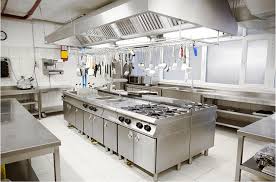
How do you maintain industrial kitchen flooring for long-term use?
Regular inspections are equally important to ensure that small issues are addressed before they turn into major problems. Managers or maintenance staff should conduct weekly or monthly inspections to identify cracks, chips, or areas where the coating has worn off. Early detection allows for timely repairs, which are often quick and affordable compared to full-scale replacements. For epoxy or polyurethane concrete flooring, minor damage can often be resealed or recoated to restore its protective layer and maintain its chemical and moisture resistance. Consistent monitoring helps extend the life of the floor while ensuring compliance with hygiene and safety standards.
Proper maintenance also involves scheduling deep cleaning and resealing at regular intervals, depending on the type of flooring material and the intensity of kitchen operations. For epoxy or urethane floors, resealing every few years helps reinforce their resistance to moisture, oils, and chemicals. Deep cleaning should include thorough degreasing and polishing to restore the surface’s non-slip properties. In food processing plants or large-scale restaurants, this process is crucial for maintaining a sanitary environment where cleanliness and safety are paramount.
Ultimately, maintaining industrial kitchen flooring for long-term use requires a proactive approach that combines daily care, preventive measures, and periodic professional servicing. Floors are the foundation of kitchen operations, and neglecting them can lead to accidents, contamination, or operational inefficiency. With consistent maintenance, even under the intense conditions of a busy commercial kitchen, high-quality flooring can last for decades while continuing to perform at its best. By prioritizing regular upkeep, facility owners not only protect their investment but also ensure a safer, cleaner, and more efficient working environment for their staff.


