
industries commonly use flexible circuit boards
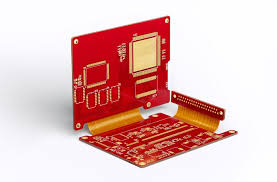
Flexible circuit boards are widely used across various industries due to their adaptability, durability, and lightweight nature. One of the primary industries that make extensive use of flexible circuit boards is the consumer electronics sector. With the demand for smaller, more compact, and portable devices, such as smartphones, tablets, and wearable gadgets, flexible circuit boards offer the perfect solution.
Their ability to bend and conform to the contours of the device allows manufacturers to design slimmer and more ergonomic products. Flex PCBs are often found in components like displays, cameras, and batteries, where space optimization is critical. The flexibility also allows for better integration of functions in smartwatches, fitness trackers, and other wearable technology.
The automotive industry is another major sector that relies on flexible circuit board. Modern vehicles are equipped with an increasing number of electronic components, from infotainment systems and advanced driver-assistance systems (ADAS) to engine management and in-car communication networks.
Flex PCBs are ideal for use in automotive applications because they can endure the harsh conditions typically found in vehicles, such as high temperatures, vibrations, and exposure to moisture. Flexible circuit boards are used in dashboards, LED lighting, airbag systems, and under-the-hood applications where flexibility and reliability are essential. Their ability to reduce wiring complexity and overall weight contributes to more efficient vehicle designs.
What industries commonly use flexible circuit boards?
In the medical field, flexible circuit boards have become an integral part of medical devices and diagnostic equipment. The flexibility and biocompatibility of certain materials used in flex PCBs make them suitable for use in wearable medical devices, such as heart rate monitors, glucose monitors, and other health tracking systems. Additionally, flexible circuit boards are used in minimally invasive surgical instruments and medical implants, where they must conform to the body’s contours.
Their small size and flexibility allow medical devices to be made smaller and more comfortable for patients while maintaining high levels of performance and reliability. In some cases, flexible circuit boards are used in disposable medical devices, offering a cost-effective solution for temporary monitoring and diagnostic tools.
The aerospace and defense industries also benefit significantly from flexible circuit boards due to the stringent requirements for lightweight, durable, and reliable components. In aerospace applications, weight reduction is a crucial factor for fuel efficiency, and flexible circuit boards help achieve this by replacing bulkier wiring and rigid circuit boards. They are used in aircraft control systems, satellite communications, and space exploration equipment, where they must withstand extreme conditions, including temperature fluctuations, radiation, and mechanical stress. In the defense sector, flexible circuit boards are used in ruggedized military electronics, such as communication equipment, radar systems, and guided munitions, where reliability and performance under adverse conditions are mandatory.
Industrial automation and robotics are additional areas where flexible circuit boards are commonly employed. The use of flex PCBs in robotic arms, sensors, and automation equipment enables more efficient design, with fewer moving parts and less susceptibility to mechanical failure. The ability to flex and twist allows for dynamic movement in robotic applications, providing reliable electrical connections even during repetitive motions. This makes flexible circuit boards particularly valuable in automated manufacturing processes, where machinery is in constant motion.
Overall, flexible circuit boards are found in a broad range of industries, from everyday consumer electronics to critical applications in aerospace, automotive, medical, and industrial fields. Their unique properties, including flexibility, durability, and lightweight construction, make them indispensable in modern technology, where complex designs and reliable performance are paramount. As technological advancements continue, the role of flexible circuit boards is likely to expand, further solidifying their importance in various industries.