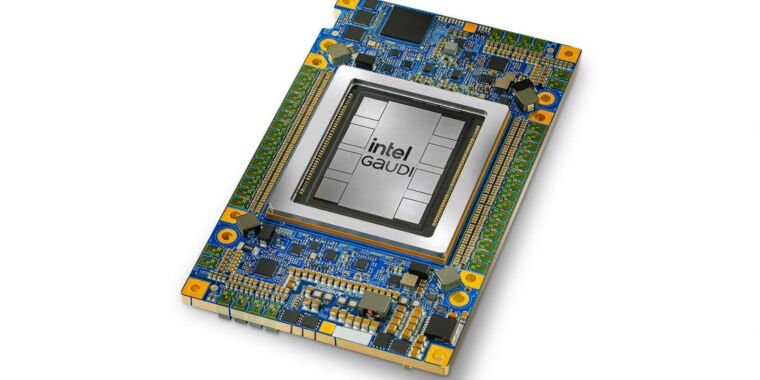

circuit board assembly
Troubleshooting issues in circuit board assembly is a crucial skill that ensures the functionality and reliability of electronic devices. From soldering defects to component failures, various issues can arise during assembly that may impact the performance of the circuit board. Here’s a guide to troubleshooting common issues in circuit board assembly:
Firstly, a systematic approach is essential when troubleshooting circuit board assembly issues. Start by gathering information about the symptoms of the problem, such as malfunctioning components, intermittent connections, or electrical failures. Carefully examine the circuit board assembly for visible signs of damage, such as solder bridges, cold solder joints, lifted pads, or burnt components, which may indicate the root cause of the issue.
Next, conduct electrical tests to diagnose the problem further. Using a multimeter or other testing equipment, measure voltages, currents, and resistances at various points on the circuit board to identify abnormalities or inconsistencies. Pay close attention to signal integrity, continuity, and voltage levels to pinpoint areas of concern.

How do you troubleshoot issues in circuit board assembly?
Furthermore, inspect solder joints and component placement for defects or errors. Cold solder joints, solder bridges, and insufficient solder are common soldering issues that can lead to connectivity problems or electrical shorts. Use a magnifying glass or microscope to examine solder joints closely and rework any defective joints using soldering tools and techniques.
Additionally, check for component-related issues such as misaligned components, reversed polarity, or damaged components. Ensure that components are correctly oriented and seated flush against the circuit board. Look for signs of physical damage, such as cracked or chipped components, which may indicate component failures that need to be replaced.
Moreover, consider environmental factors that may affect circuit board performance, such as temperature, humidity, and vibration. Extreme environmental conditions can cause solder joints to crack or components to drift out of tolerance, leading to reliability issues. Conduct environmental testing or stress testing to assess the circuit board’s performance under real-world conditions and identify any weaknesses or vulnerabilities.
Furthermore, review the assembly process and quality control measures to identify potential sources of the problem. Insufficient solder paste deposition, improper stencil alignment, or inadequate cleaning procedures can all contribute to assembly defects and reliability issues. Ensure that assembly processes are followed correctly and that quality control checks are performed at each stage of production.
Additionally, consult technical documentation, datasheets, and assembly guidelines provided by component manufacturers to troubleshoot specific issues. Manufacturers often provide troubleshooting tips, recommended soldering profiles, and application notes to assist with assembly and troubleshooting. Refer to these resources to ensure that assembly practices align with manufacturer recommendations and industry best practices.
Lastly, collaborate with colleagues, supervisors, or external experts to brainstorm solutions and troubleshoot complex issues collaboratively. Sometimes, a fresh perspective or additional expertise can help identify and resolve challenging problems more effectively. Document the troubleshooting process, including observations, tests performed, and solutions implemented, to facilitate future reference and continuous improvement.
In conclusion, troubleshooting issues in circuit board assembly requires a methodical approach, attention to detail, and a combination of technical skills and knowledge. By systematically diagnosing problems, conducting electrical tests, inspecting solder joints and components, considering environmental factors, reviewing assembly processes, consulting technical documentation, and collaborating with others, manufacturers can identify and resolve assembly issues efficiently, ensuring the production of high-quality circuit boards that meet performance, reliability, and regulatory requirements.